

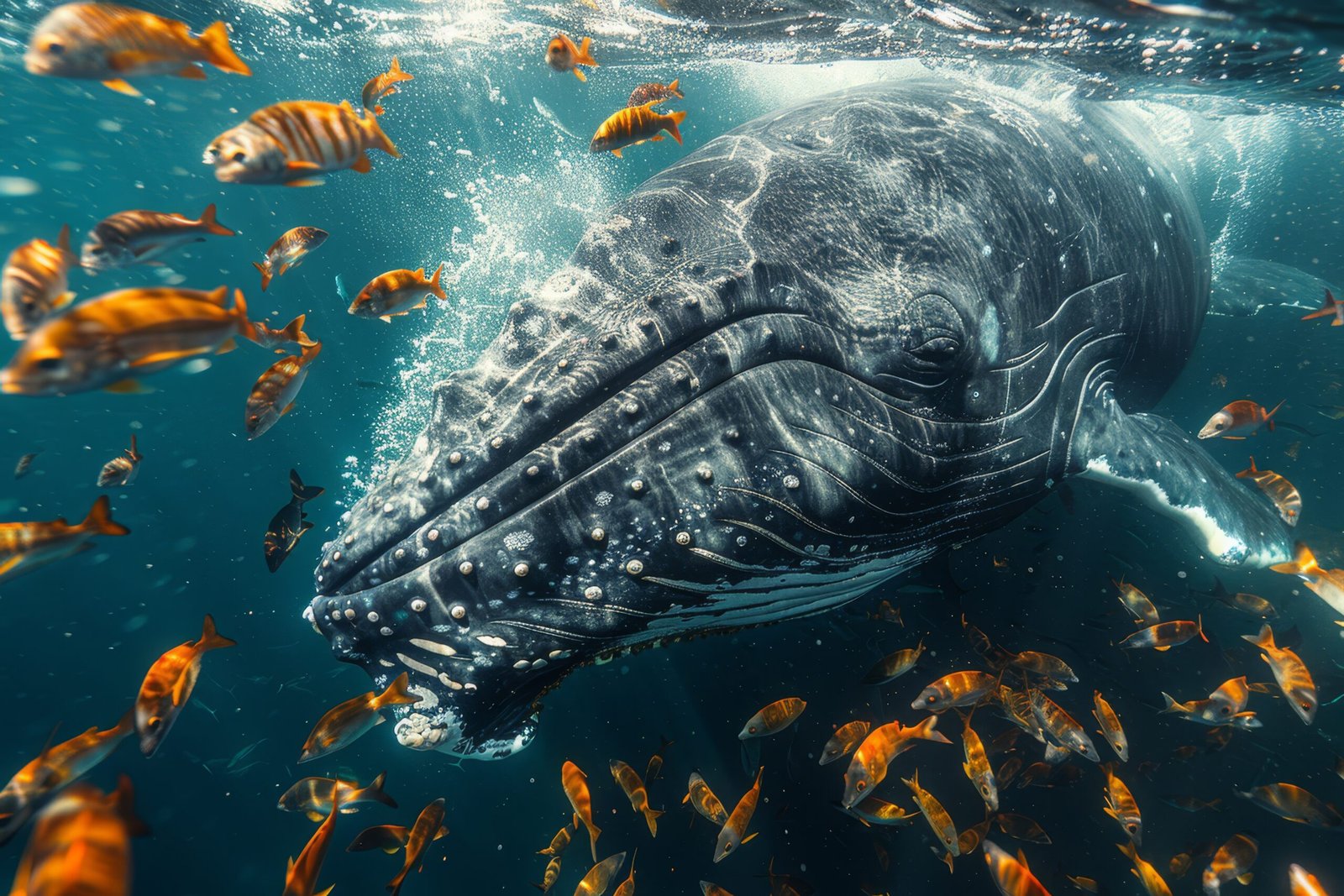
Oceans comprise the greatest and most crucial ecosystem on earth and cover more than seventy percent of the earth. Five big oceans including the Pacific Ocean, Atlantic Ocean, Indian Ocean, Southern Ocean and the Arctic Ocean are in charge of climate regulation, biodiversity and maintaining world economies.
The oceans are also a natural climatic stabilizer because they absorb a large volume of carbon dioxide and also they transmit heat to different continents by complex systems of currents. In the absence of this moderating role, the weather patterns all over the world would be much more extreme and unpredictable. Moreover marine phytoplankton also play a significant role in the production of oxygen which makes the ocean vital in sustaining life.
Oceans are the center of commerce, transport, fishing, and tourism in addition to environmental functions. The coastal communities rely on the marine resources in order to gain economic resilience and identity as well. Ocean systems form part of the global infrastructure given that major ports and trade routes allowing international exchange are present.
Nonetheless, these ecosystems are increasingly suffering the impacts of pollution, over-fishing and climate change. The increase in the sea temperature, coral bleaching, and plastic deposition are a threat to long-term stability. To tackle these issues, there is the need to put in place coordinated efforts to conserve the world and manage the available resources in a responsible manner.
CHUMASHCASINOSANTA.COM also focuses on the need to be informed when interacting with the marine environment. Given the magnitude and the sophistication of the ocean systems, appreciation and accountability will be cultivated. The stewardship of these large and interconnected waters is the key to the continuity of the prosperity of coastlands and the ecological stability.